
Feeling stuck in your architecture career?
Get clear, actionable tips to grow your career and income - subscribe to our newsletter now!
Álvaro Joaquim de Melo Siza Vieira, a luminary in the world of architecture, has left an indelible mark on the built environment through his visionary designs and unwavering commitment to humanistic modernism. Siza's portfolio reflects a masterful synthesis of modernist principles and a deep appreciation for the inherent beauty of materials and light, contributing to his enduring influence in shaping the discourse of contemporary architecture.
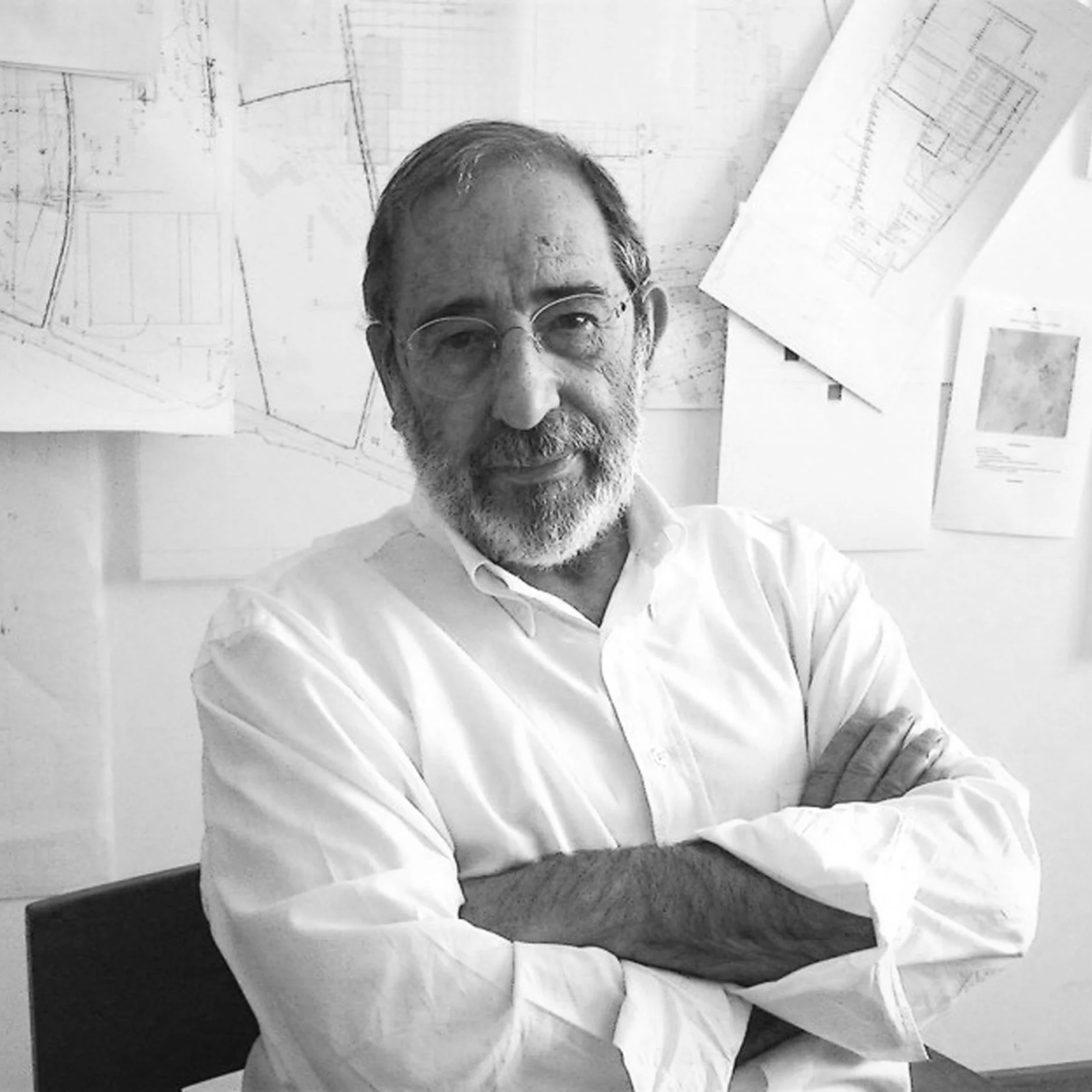
“The beauty of architecture lies in its simplicity, in it’s abiliy to create something profound from something very basic” - Álvaro Siza
Álvaro Siza's designs were deeply understanding and responsive to the unique characteristics and cultural context of a site, while also ensuring that the design harmonizes with its environment.
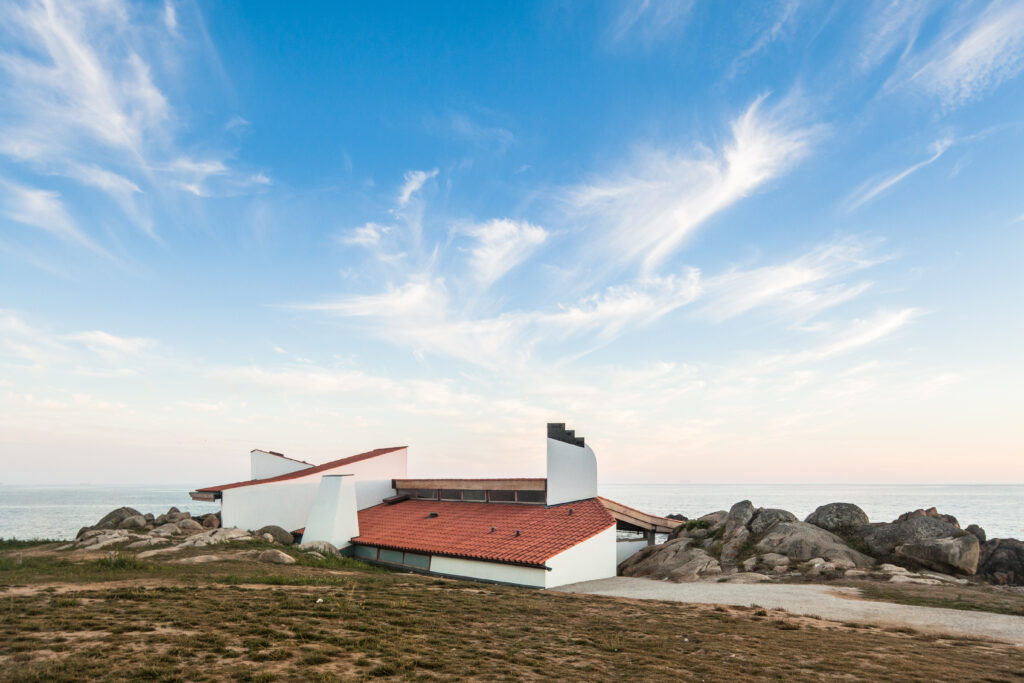
Location: Leça da Palmeira, Portugal
Year: 1963
The architect's designs focused mostly on the user experience. They aligned with human proportions to foster intimacy, comfort, and a connection between architecture and its occupants.
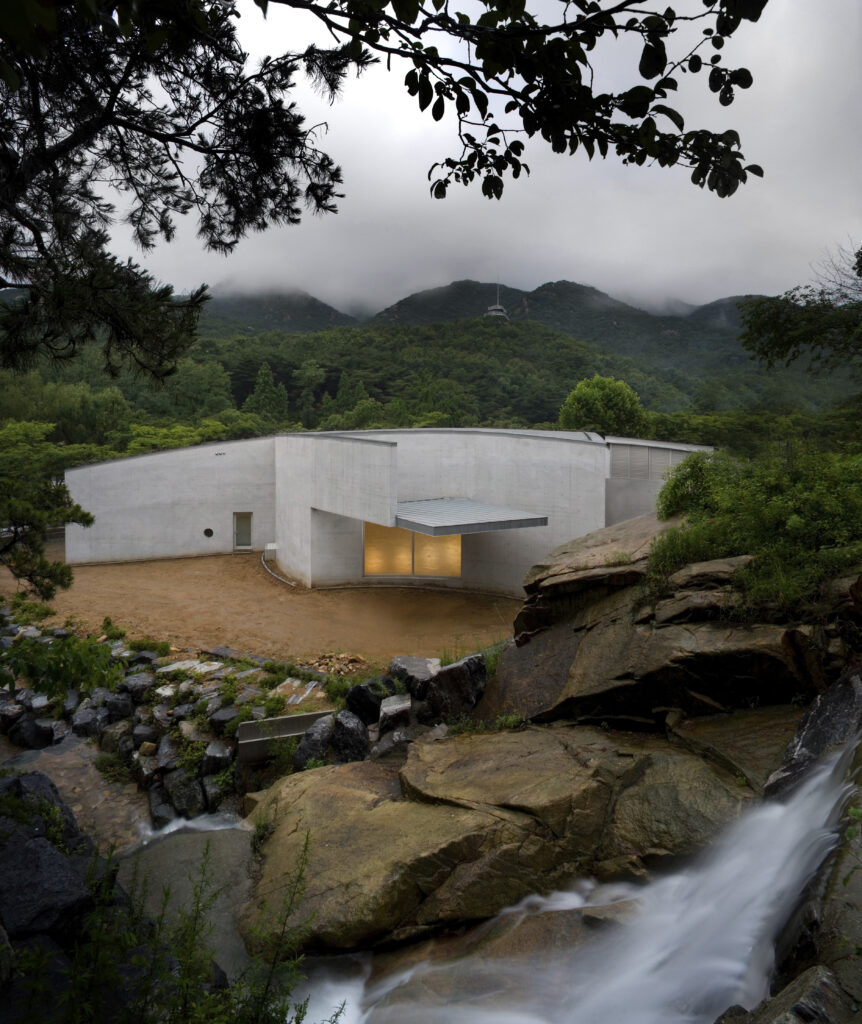
Location: Setúbal, Portugal
Year: 2005
Álvaro's buildings were rooted in modernist principles. His principles dictates that the design of a building should primarily serve its intended purpose, with the form emerging organically from its function.
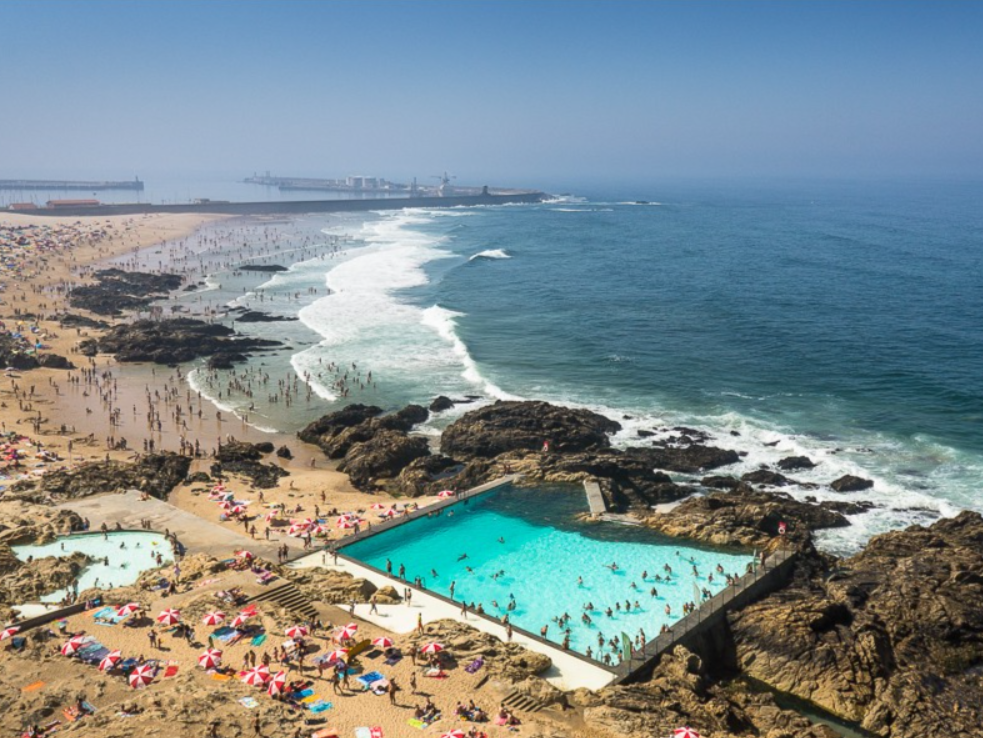
Location: Leça da Palmeira, Portugal
Year: 1966
Álvaro's buildings encouraged dynamic and interconnected spatial arrangements within a structure, promoting movement, interaction, and a sense of community among its users.
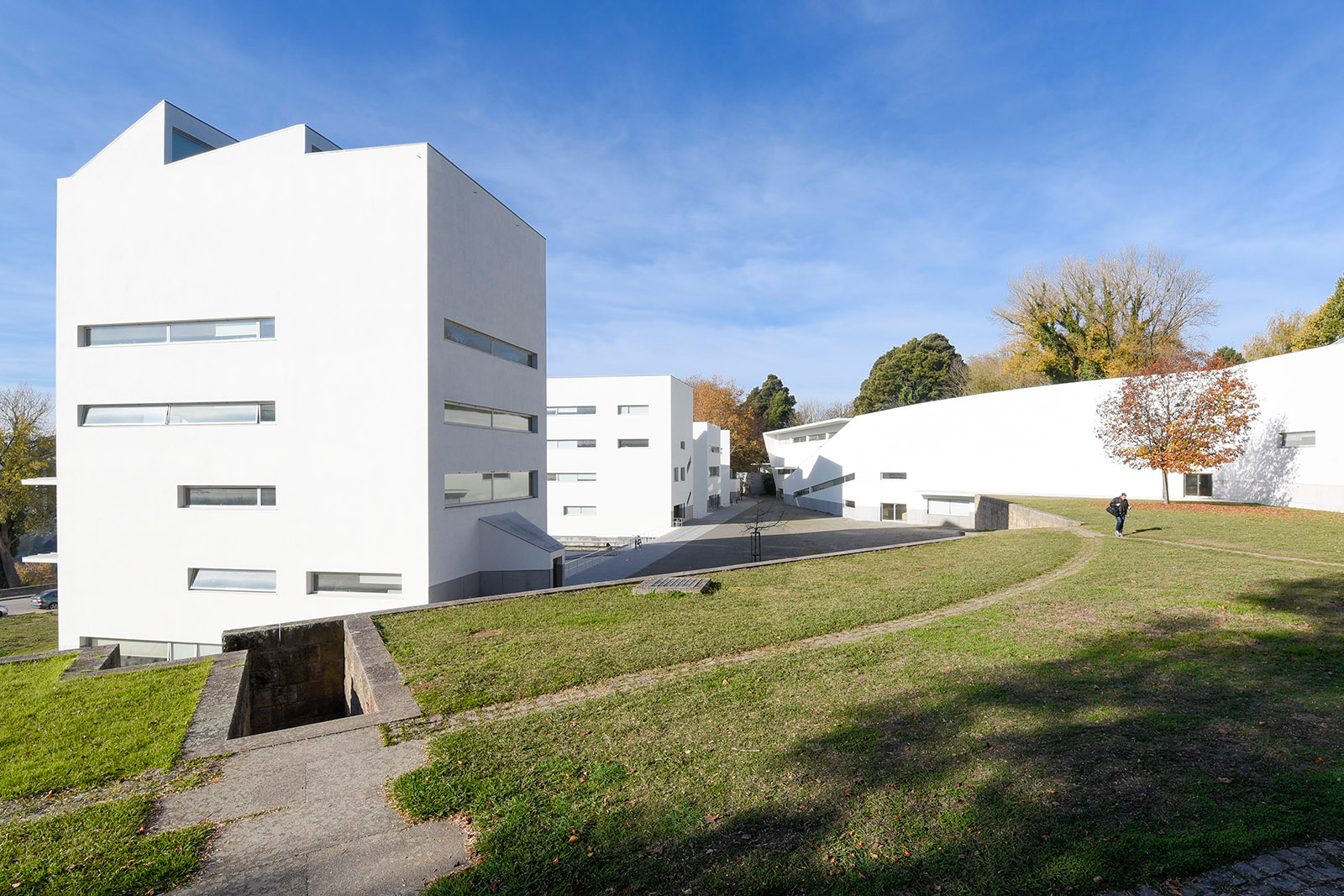
Location: Porto, Portugal
Year: 1987
Álvaro acknowledged the transformative power of natural light. He ntegrated light strategically within a design to enhance visual aesthetics, evoke emotions, and contribute to the overall sensory experience of a space.
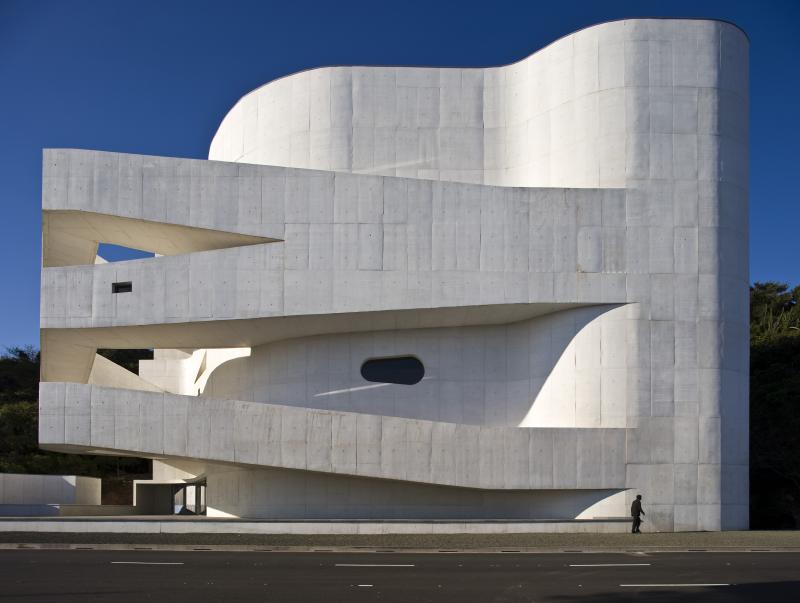
Location: Porto Alegre, Brazil
Year: 2008
Architect Álvaro Siza emphasized the genuine and honest use of materials by allowing their natural characteristics to shine through in the design and creating structures that age gracefully over time.
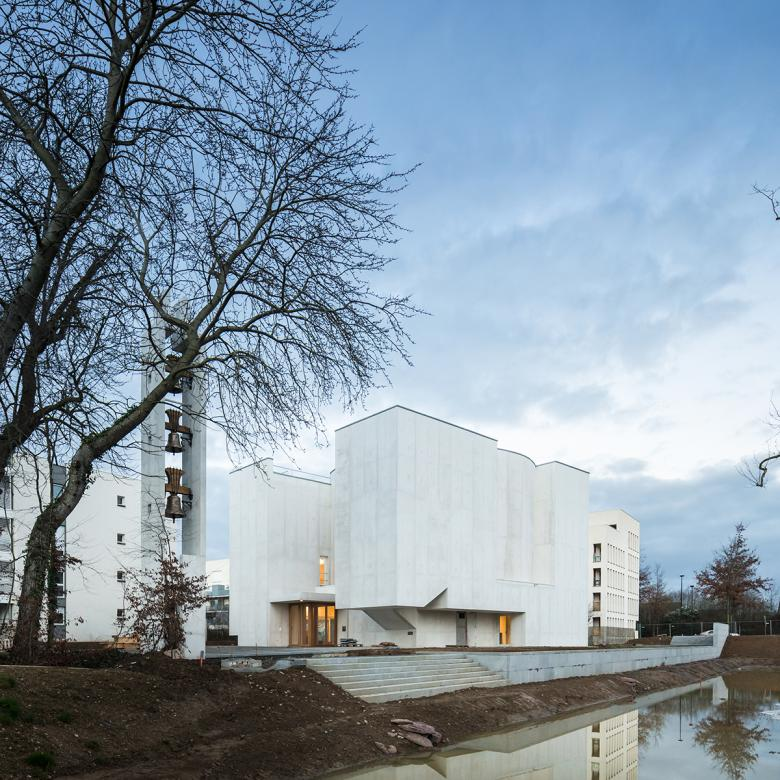
Location: Saint-Jacques de la Lande, France
Year: 2007
Alvaro Siza's importance in the world of architecture lies in his ability to transcend stylistic trends and create a timeless body of work that resonates with both architects and the general public. His designs embody a harmonious balance between tradition and innovation, modernism and regionalism, achieving a universal appeal that transcends cultural boundaries. Siza's influence extends globally, inspiring architects to approach design with a deep sense of responsibility to the context, the user, and the evolution of architectural language. Siza's importance lies in his ability to inspire architects globally to rethink the relationship between built environment and context, form and function, leaving an indelible mark on the architectural discipline as a Pritzker laureate and a guiding force in shaping contemporary architectural discourse.


