
Feeling stuck in your architecture career?
Get clear, actionable tips to grow your career and income - subscribe to our newsletter now!
Wall insulation refers to materials or techniques used to reduce heat transfer through exterior walls, thereby improving energy efficiency and maintaining indoor comfort levels in buildings. It acts as a barrier against heat flow, providing thermal resistance and potentially reducing heating and cooling cost.

In various climatic regions, the choice of wall insulation plays a critical role in maintaining comfort and energy efficiency. Understanding these diverse climates is paramount in selecting the right insulation materials and techniques to optimise energy conservation and indoor comfort with respect to the climatic conditions:
In regions characterised by high temperatures and humidity levels, such as tropical zones, moisture control is paramount. Insulation is needed to prevent heat gain and manage moisture, enhancing indoor comfort and preventing mould growth. Traditional insulation materials like fibreglass may trap moisture, leading to mould and mildew growth.
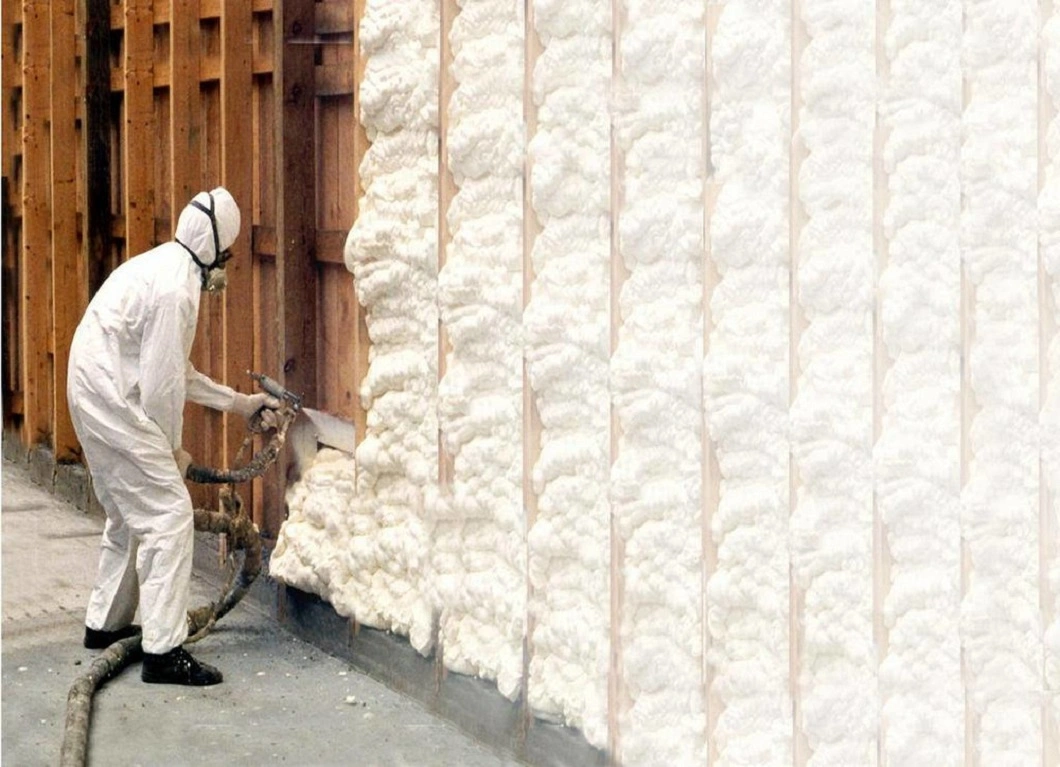
This method involves spraying a foam insulation material onto the walls, where it expands and hardens, creating a seamless thermal barrier. Its closed-cell structure prevents moisture infiltration while providing excellent thermal resistance.
Advantages:
Provides excellent thermal insulation, acts as an effective air barrier, and can be applied in hard-to-reach areas, increasing energy efficiency and reducing heating and cooling costs.
Disadvantages:
Expensive compared to other insulation options, requires professional installation, and may release harmful chemicals during application if not properly handled.
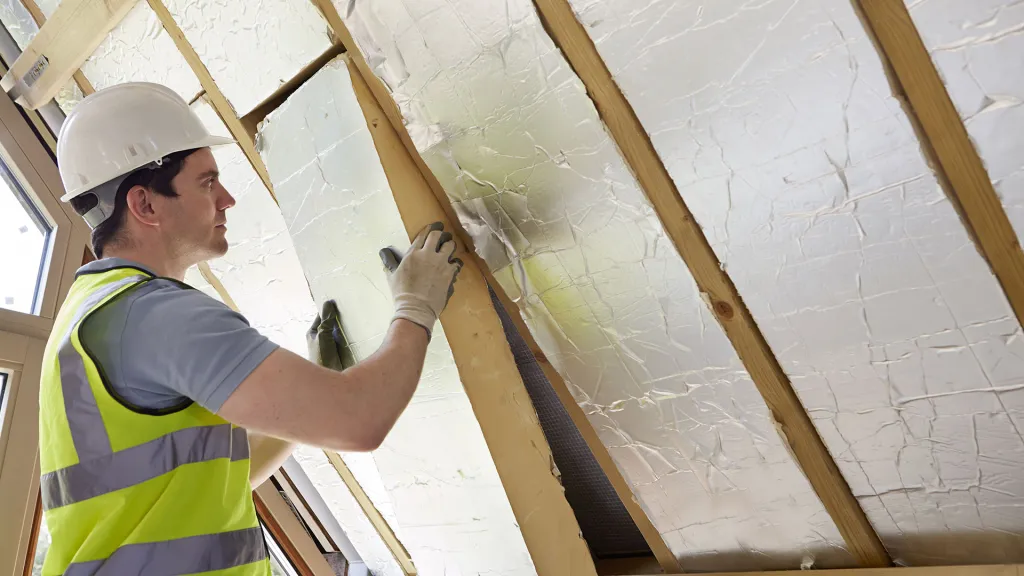
These boards are made from polystyrene or polyurethane foam and are installed directly onto the walls. They are breathable yet moisture-resistant, making them suitable for humid conditions.
Advantages:
Offers high thermal resistance, moisture resistance, and durability, suitable for both above-grade and below-grade applications, providing long-term insulation benefits.
Disadvantages:
More expensive than traditional insulation materials like fibreglass, can be difficult to install in irregularly shaped spaces, and may require additional fire protection measures.
Hot and arid regions pose unique challenges for wall insulation, primarily centred around heat gain management. Insulation helps to minimise heat transfer, maintaining cooler indoor temperatures and reducing energy consumption in arid environments.
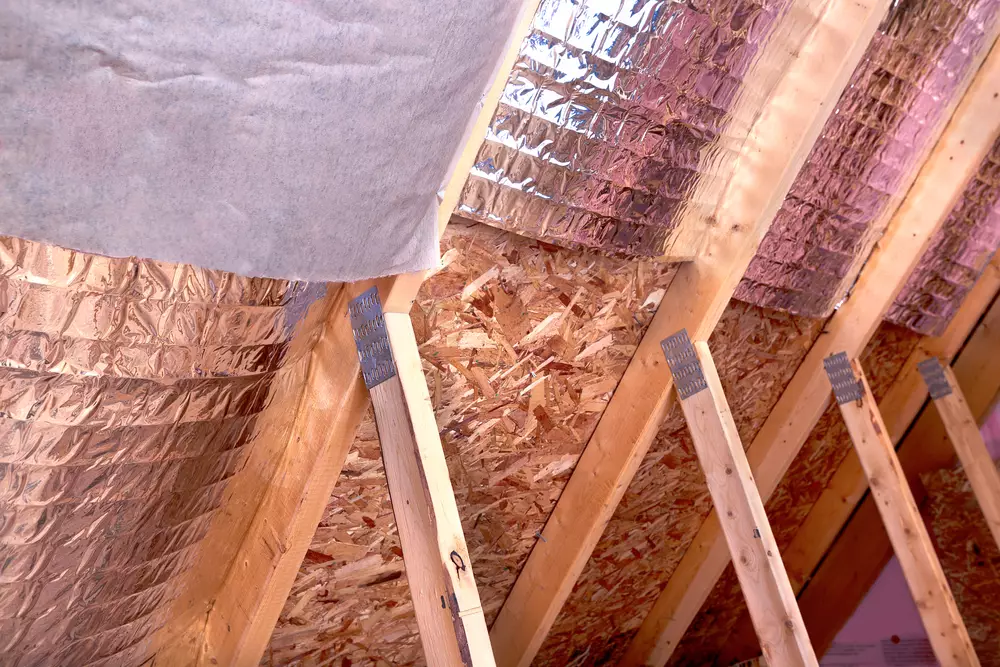
Radiant Barrier Sheathing deflects radiant heat, proving ideal for hot and dry climates, minimising heat gain by featuring aluminium foil layers laminated onto roof decking or wall sheathing, thereby reducing cooling loads.
Advantages:
Reflects radiant heat away from the building, reducing cooling loads and improving comfort in hot climates, relatively easy to install during construction or renovation.
Disadvantages:
Less effective in cooler climates where radiant heat is not a significant factor, does not provide substantial thermal resistance on its own, and may require additional insulation for comprehensive energy efficiency.
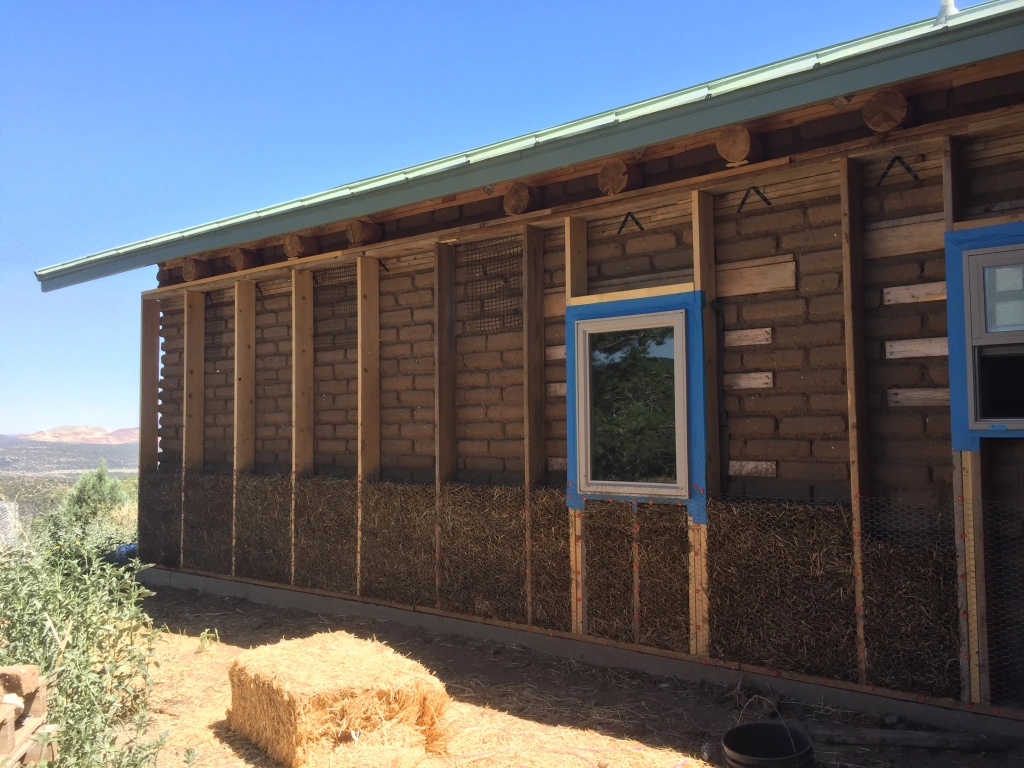
Adobe Walls, crafted from earth materials, regulate indoor temperatures by absorbing heat during the day and releasing it slowly at night in hot, dry climates, offering sustainable, energy-efficient solutions without relying on mechanical cooling systems.
Advantages:
Utilises locally available materials, offers excellent thermal mass properties, and provides natural insulation against both heat and cold, contributing to energy efficiency and sustainability.
Disadvantages:
Requires skilled craftsmanship for construction, vulnerable to moisture damage in wet climates, and may lack adequate insulation for extreme temperature variations without additional measures.
Moderate climates experience relatively mild temperature variations throughout the year. In such regions, a balanced approach to insulation is key to optimising energy efficiency. Proper insulation regulates temperature fluctuations, optimising energy efficiency and ensuring comfort throughout the year in regions with mild climates.
Fibreglass batts are sheets of insulation material composed of fine glass fibres, often installed between wall studs, offering decent thermal resistance and affordability, making them a popular choice for insulating buildings in regions with moderate climate conditions.
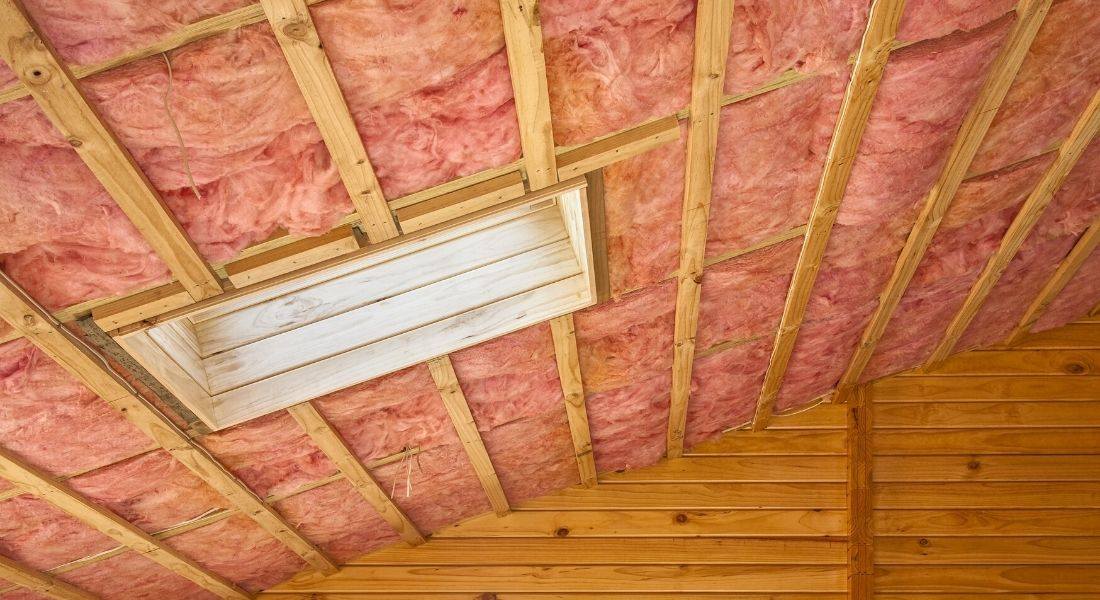
Advantages:
Widely available, cost-effective, and relatively easy to install, providing adequate thermal insulation in many climates while allowing for vapour permeability when paired with proper vapour barriers.
Disadvantages:
Prone to compression and settling over time, leading to reduced effectiveness, may release airborne particles during installation, and requires careful handling to prevent skin irritation.
Cellulose insulation, derived from recycled paper fibres treated with fire retardants, is an eco-friendly option that effectively retains heat in walls, attics, and floors of structures located in moderate climates, contributing to energy efficiency and sustainability efforts.
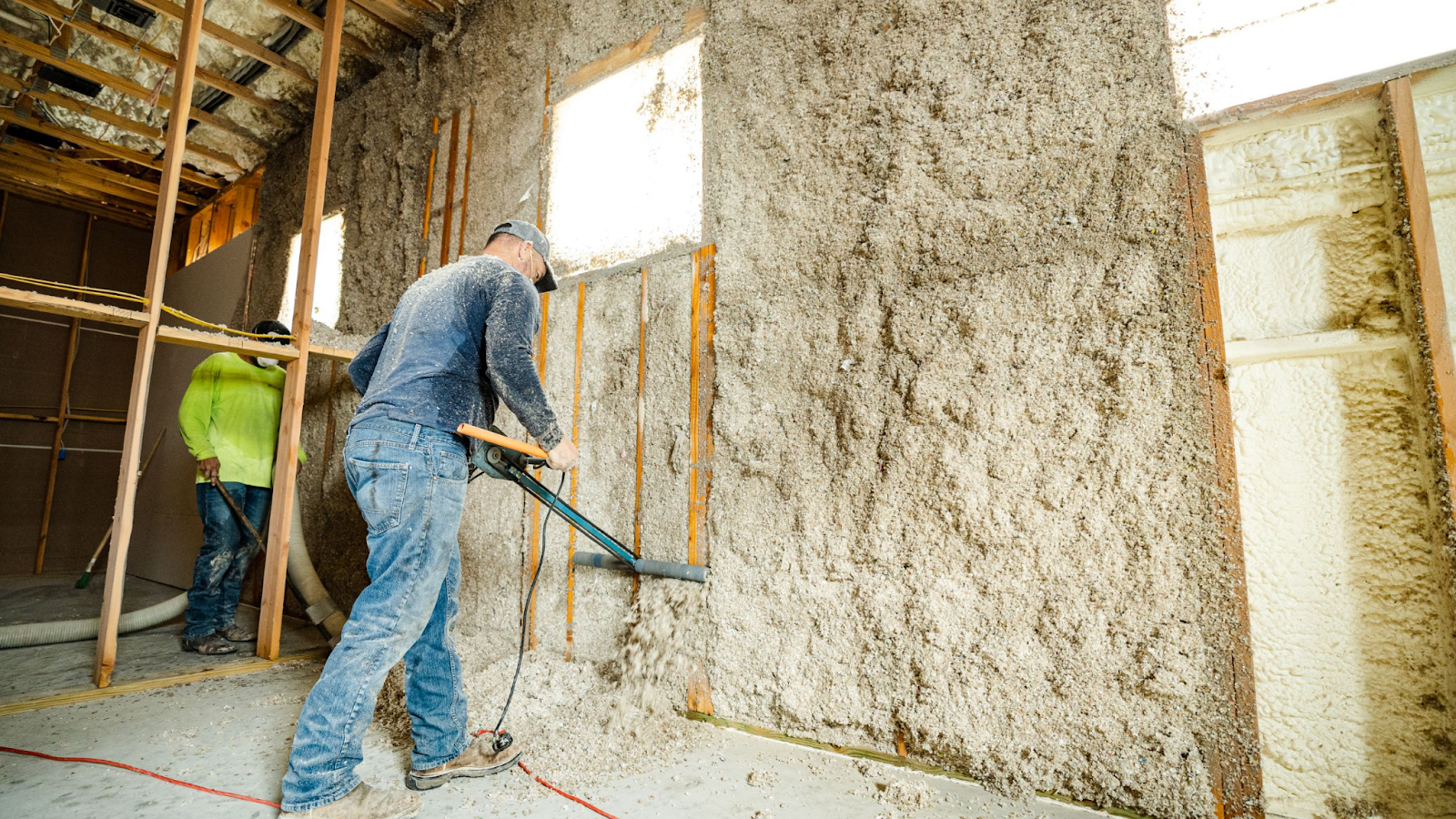
Advantages:
Made from recycled materials, it offers good thermal resistance and soundproofing properties, and can be blown into walls or ceilings, filling gaps and voids for comprehensive insulation.
Disadvantages:
Susceptible to moisture damage if not properly installed or protected, may settle over time, reducing effectiveness, and requires professional equipment for installation.
Cold climates with ample sunlight require insulation solutions that can effectively trap heat during the day and prevent heat loss at night. Hence, good Insulation traps heat during the day and minimises heat loss at night, maximising solar gain and reducing heating costs in cold, sunny climates.
Preferred insulation methods:
Expanded polystyrene (EPS) foam insulation offers exceptional thermal resistance, effectively trapping heat during daylight hours in cold and sunny climates, thereby minimising the need for heating systems.
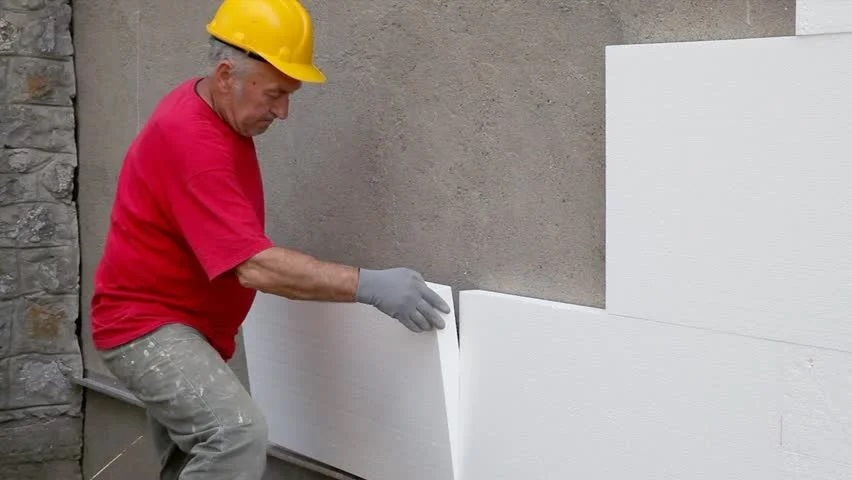
Advantages:
Lightweight, moisture-resistant, and provides high thermal resistance, ideal for insulating foundations, roofs, and walls, offering long-term energy savings and durability.
Disadvantages:
Can emit toxic gases if exposed to fire, may degrade over time when exposed to sunlight, and may not be as environmentally friendly as other insulation materials due to its manufacturing process.
Polyisocyanurate foam provides superior insulation capabilities, making it an ideal choice for retaining heat in cold and sunny regions, helping to maintain comfortable indoor temperatures even in challenging weather conditions.
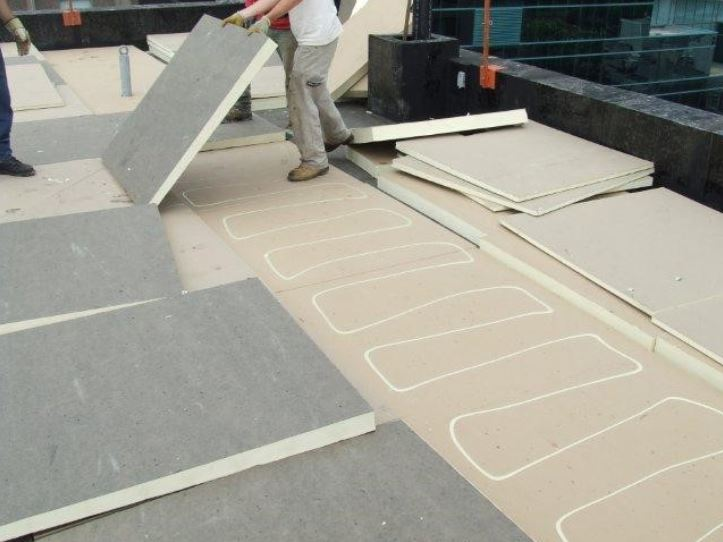
Advantages:
Offers superior thermal resistance, moisture resistance, and durability, suitable for a wide range of applications, including roofs, walls, and floors, providing long-lasting insulation performance.
Disadvantages:
More expensive than other foam insulation options, it may emit toxic gases if improperly installed or exposed to fire, and requires careful handling due to its chemical composition.
These are regions characterised by cold temperatures and frequent cloud cover demand robust insulation to combat heat loss. Insulation prevents heat loss, ensuring warmth and comfort in buildings despite limited sunlight and cold temperatures in cloudy regions.
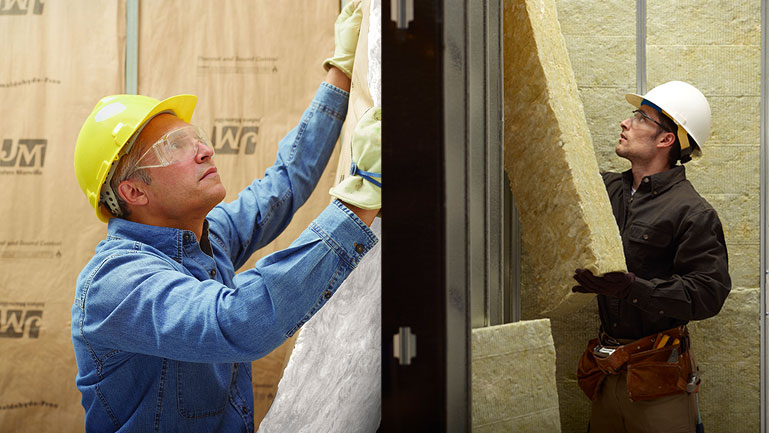
Fibreglass or mineral wool batts provide effective thermal insulation by trapping air within their fibrous structure, and when supplemented with vapour barriers, they prevent moisture from penetrating the walls, thereby maintaining indoor comfort and preventing mould growth.
Advantages:
Widely available, cost-effective, and relatively easy to install, providing adequate thermal insulation in many climates while allowing for vapour permeability when paired with proper vapour barriers.
Disadvantages:
Prone to compression and settling over time, leading to reduced effectiveness, may release airborne particles during installation, and requires careful handling to prevent skin irritation.
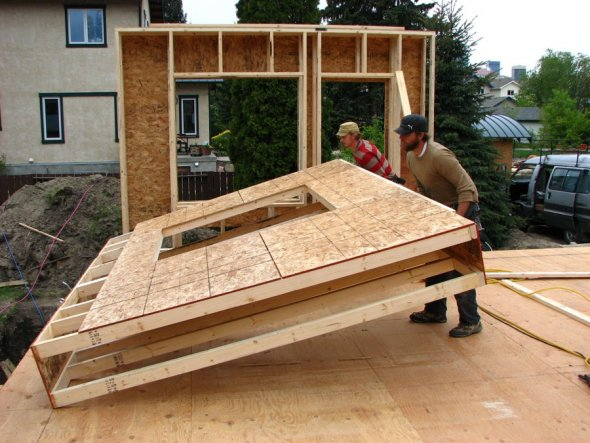
Double-wall construction improves thermal performance by introducing an additional layer of insulation, effectively creating an extra air gap between walls, which reduces heat transfer through conduction and convection, resulting in enhanced energy efficiency and temperature regulation within the building.
Advantages:
Enhances thermal performance by providing an additional layer of insulation and creating an extra air gap between walls, reducing heat transfer and improving energy efficiency and comfort.
Disadvantages:
Increases construction costs and complexity, requires careful planning and coordination during design and construction, and may result in thicker walls, reducing usable interior space


