
Feeling stuck in your architecture career?
Get clear, actionable tips to grow your career and income - subscribe to our newsletter now!
Frank Gehry stands as a titan in the realm of contemporary architecture, renowned for his revolutionary designs that defy conventional norms and challenge the boundaries of form and function. Through his distinct architectural language, he has redefined the very essence of modern architecture, weaving together elements of art, innovation, and technology to create iconic structures that resonate with the human experience.

“Your best work is your expression of yourself.”- Frank Gehry
Gehry believes in embracing complexity rather than simplifying design solutions. He sees architecture as a multifaceted endeavor that should respond to the intricacies of its context, program, and cultural milieu.
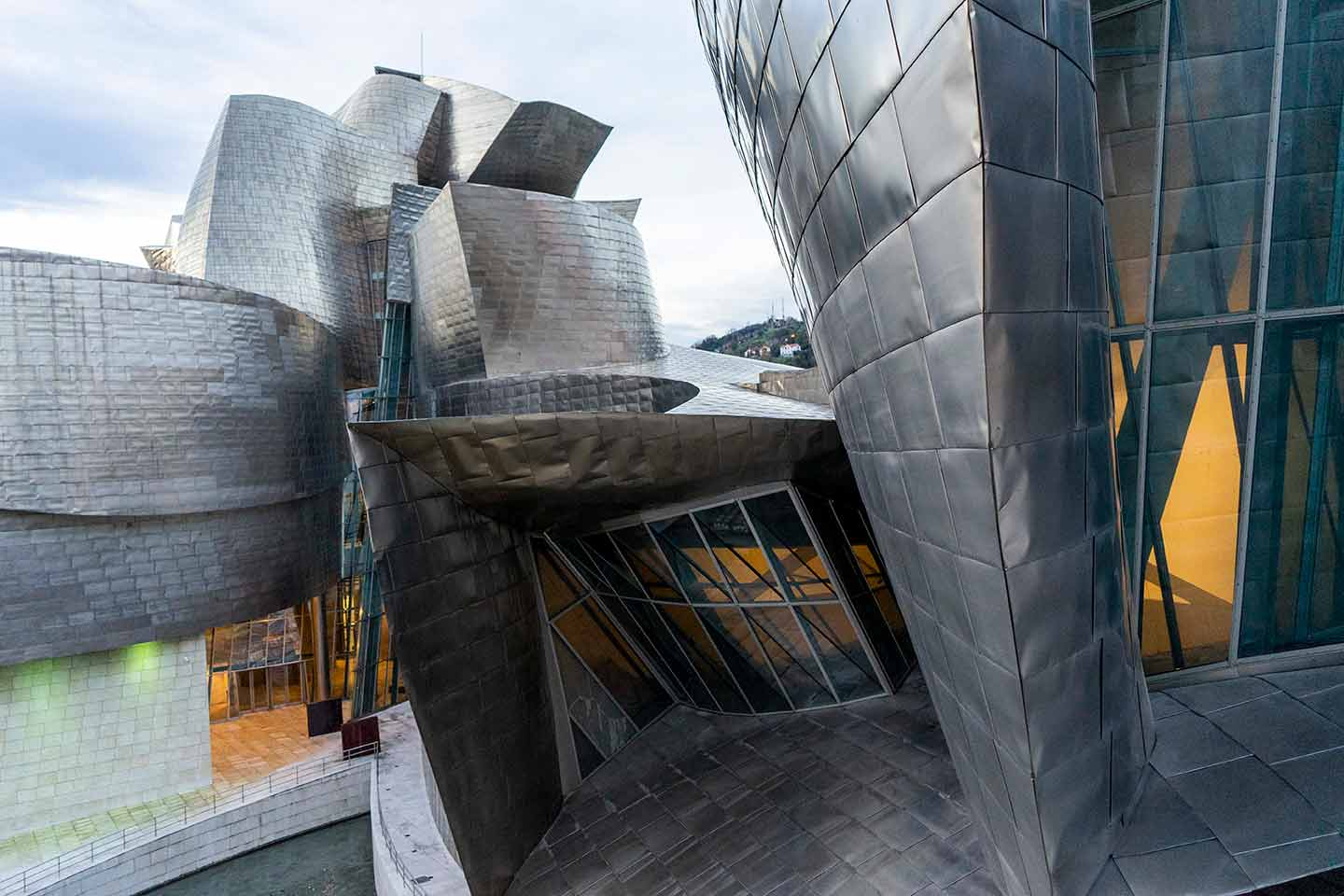
Guggenheim Museum Bilbao (Bilbao, Spain):
Marked by a relentless pursuit of innovative forms that challenge conventional notions of architectural aesthetics, he explores new geometries and shapes, often inspired by organic forms found in nature or the human body.
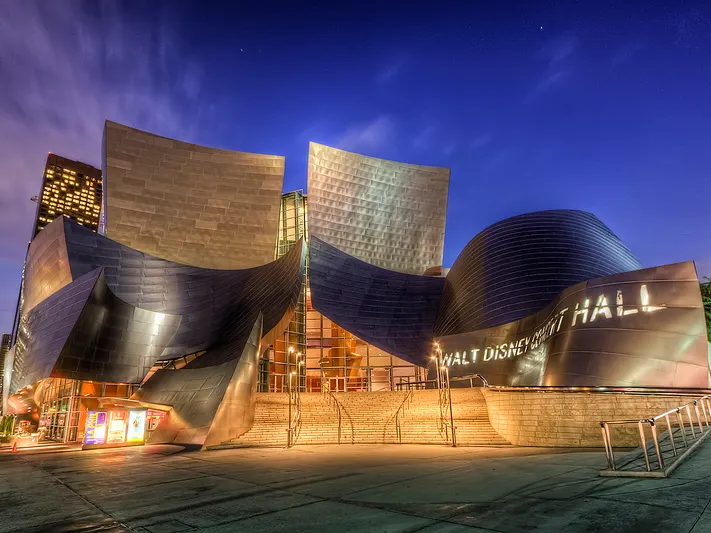
Walt Disney Concert Hall (Los Angeles, USA):
By embracing cutting-edge technologies in both the design and construction phases of his projects, from advanced digital modeling techniques to parametric design tools, he leverages technology to realize his vision and push the boundaries of architectural possibility.
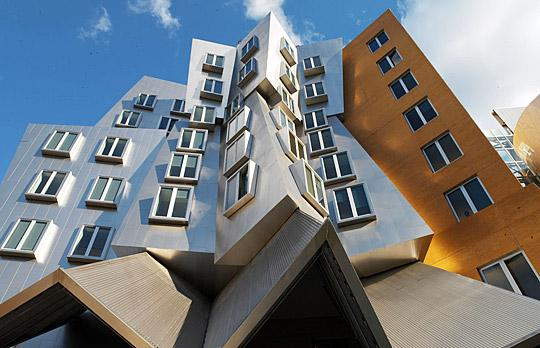
MIT Ray and Maria Stata Center (Cambridge, USA):
Despite the avant-garde nature of his designs, Gehry remains committed to creating spaces that prioritize the human experience. He aims to evoke emotion, stimulate the senses, and foster connection within his built environments, enriching the lives of those who inhabit them.
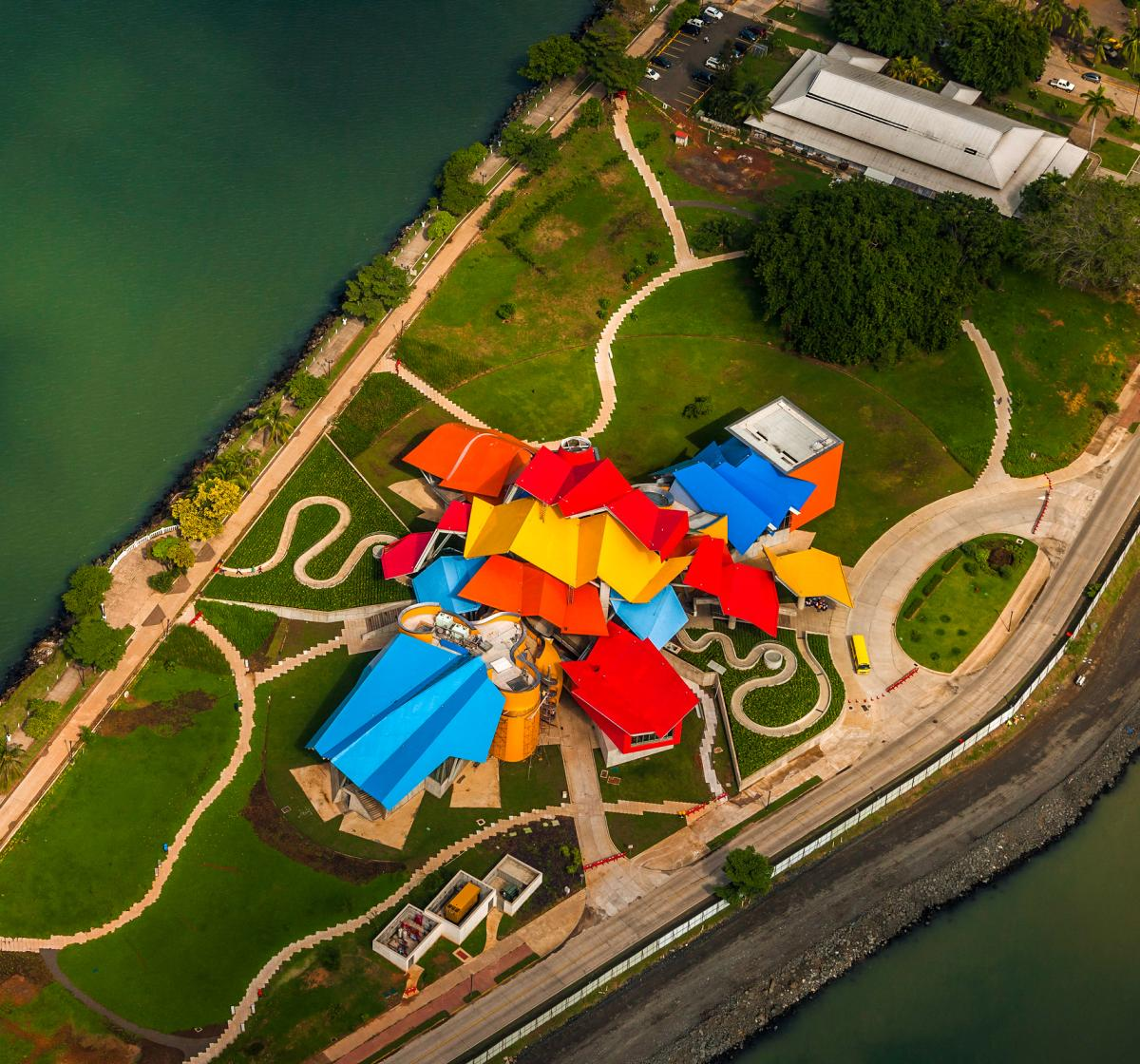
Biomuseo (Panama City, Panama):
Gehry's philosophy is one of continual evolution and experimentation. He approaches each project as an opportunity for exploration and discovery, pushing the boundaries of his own creativity and challenging established norms in the field of architecture.
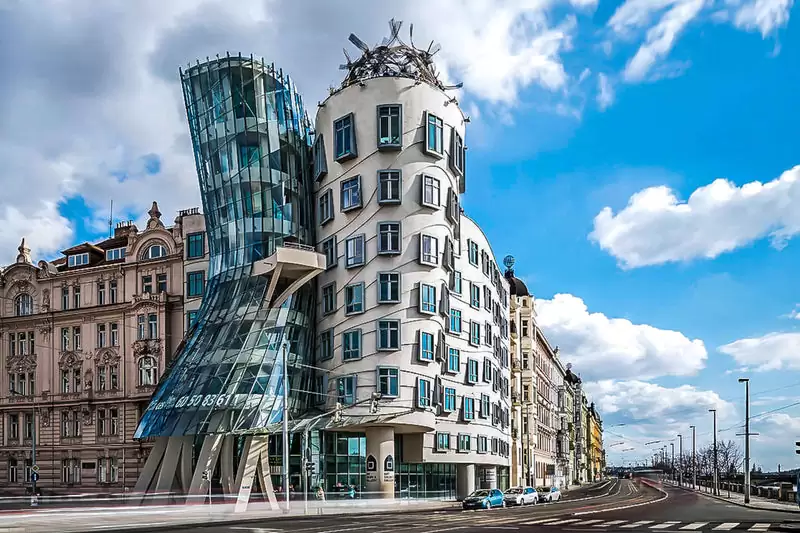
The Dancing House in Prague, Czech Republic:
Frank Gehry's architectural legacy is a testament to his unwavering commitment to innovation and his ability to challenge conventional norms. Through his iconic designs, characterized by an embrace of complexity, exploration of form and contextual sensitivity, Gehry has reshaped the architectural landscape. His collaborative approach, integration of technology, and emphasis on human-centric design have not only transformed skylines but also sparked a global dialogue about the role of architecture in society.


